
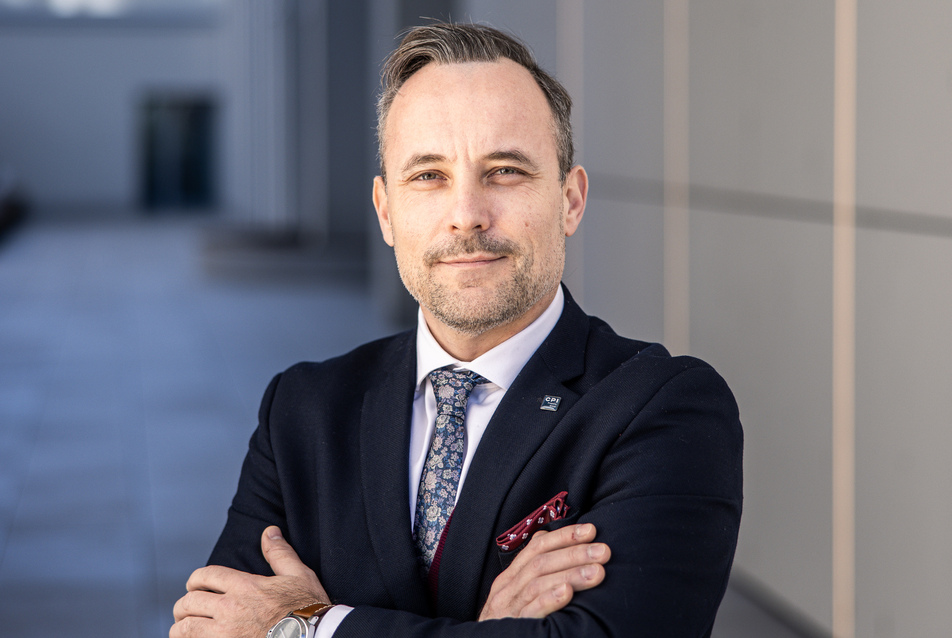
To understand how this innovative concept supports companies in addressing today’s HR and financial challenges, from employee retention to workspace efficiency, the Budapest Business Journal interviewed Zita Kovács-Bertók, office business development director of CPI Hungary, who shared insights on how the CPI Club transforms real estate flexibility into a true business advantage.
BBJ: Workforce retention and rising operational costs are among today’s key business challenges. How can the real estate sector contribute to solving them?
Zita Kovács-Bertók: Offices have become much more than a physical necessity; they’re now strategic tools for attraction, retention, and performance. Many companies face 15–20% employee turnover, which translates into a real financial loss through recruitment costs, lost knowledge, and lower engagement. CPI Hungary’s approach directly responds to this: we don’t simply lease space, we provide environments that help companies strengthen culture, loyalty and well-being. We support employers in retaining their employees and make everyday operations easier for companies.
BBJ: CPI Hungary often speaks about the office as part of a holistic system. What does that mean in practice?
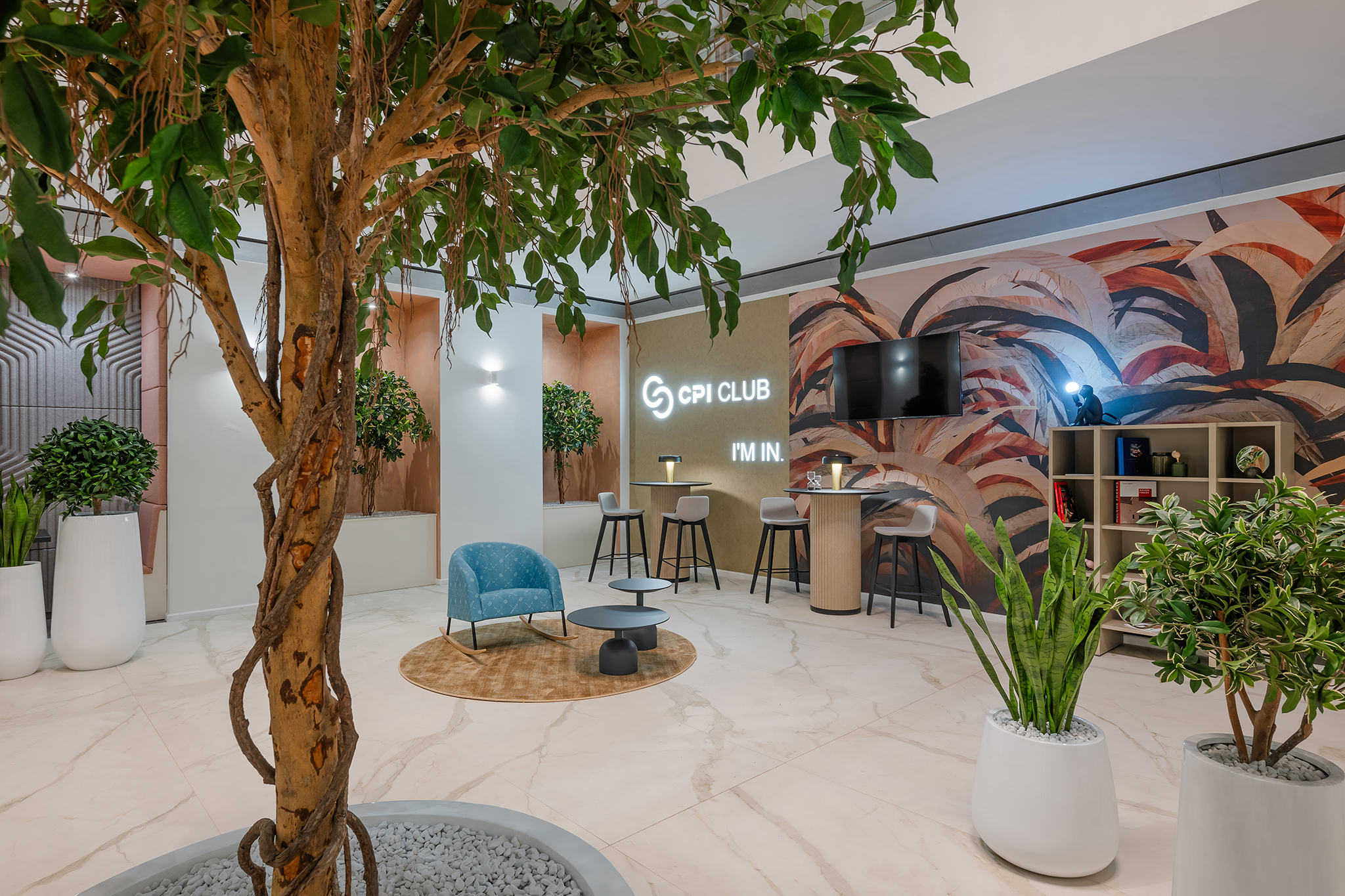
ZK-B: Our CPI Club model connects more than 20 office buildings across Budapest, creating a flexible network of workplaces, meeting rooms, and community spaces. Tenants and their teams can access a wide range of facilities and services, from conference rooms and wellness programs to mobility options, community and networking events. This ecosystem gives employees flexibility and balance, while helping companies reduce the cost and complexity of maintaining multiple spaces, all enhanced with unique tenant benefits and exclusive discounts.
BBJ: How does this concept translate into tangible business value?
ZK-B: Every company wants productive, loyal, and healthy teams. The CPI Club helps achieve that by integrating well-being, convenience, and professional infrastructure into everyday work. It allows companies to offer more to their people without increasing their fixed costs. In a way, we help translate real estate flexibility into measurable HR impact: better engagement, lower turnover, and improved employer branding.
BBJ: So, CPI Club isn’t just about flexible offices; it’s a long-term workplace strategy?

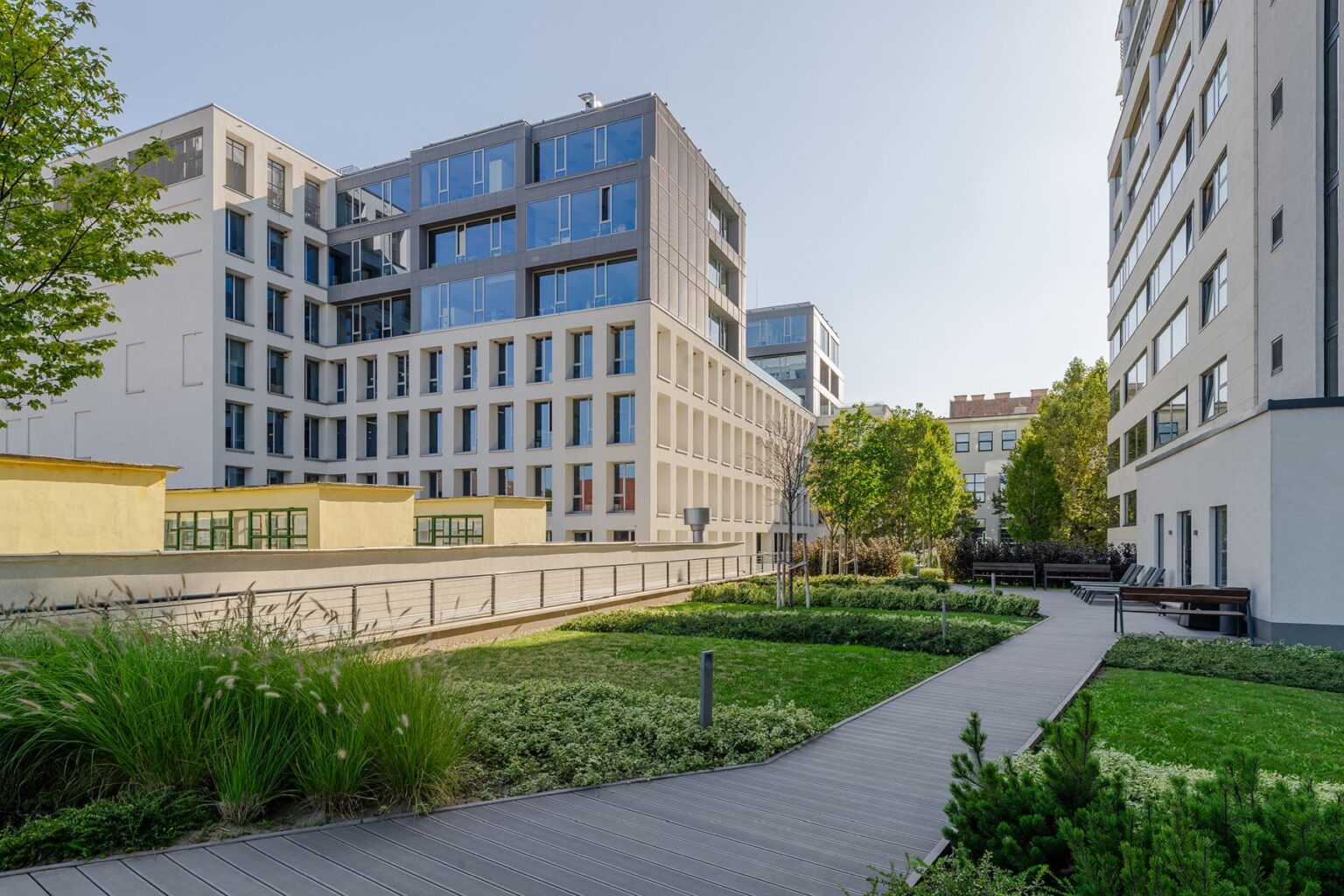
ZK-B: Exactly. It’s a response to how work and life are changing. Employers are under pressure to provide both efficiency and employee experience. Our buildings, such as myhive Greenpoint 7, Balance Office Park, or myhive Haller Gardens, combine high-quality office environments with lifestyle and mobility services. When these are connected through the CPI Club network, tenants gain not only physical access but a built-in competitive advantage. Your daily routine can be changed, with the opportunity for flexibility. For example, even
if your main office is fixed, you can book a meeting room or stop by one of the dedicated CPI Club Corners to get some work done closer to your appointment, or visit another location near your child’s school for a quick workout or beauty treatment before heading home. This modern network of offices and services perfectly fits into our everyday lives, wherever and whenever we need to work or get things done.
BBJ: How does this flexibility support financial performance?
ZK-B: The CPI Club’s cross-access system optimizes space usage and operational efficiency. Companies can scale their physical presence up or down as needed, using shared facilities like meeting rooms or event spaces on demand. This adaptability helps them stay agile, a crucial factor in volatile market conditions. It’s about turning real estate into a living, cost-effective ecosystem instead of a static expense.
BBJ: What kind of services are part of this ecosystem?
ZK-B: Beyond office spaces, CPI Hungary offers a wide range of services, including coworking areas, conference and event venues, wellness and fitness facilities, healthcare services, cafés, and flexible parking, car-sharing, and
EV-charging options. The CPI Hotels chain has joined the program globally, elevating the club experience to an international level.
Today, more than 350 different services are part of the CPI Club network, all providing exclusive tenant discounts. Together, they form a value ecosystem that supports both work and lifestyle needs, enhancing the employee experience while strengthening tenant satisfaction and loyalty.
BBJ: Why do you believe the CPI Club model represents the future of the office market?
ZK-B: Because it bridges the gap between people and performance. Real estate can no longer be managed in isolation; it must serve business strategy. The CPI Club provides companies with a ready-made framework: a connected, human-centric office network that transforms flexibility and experience into a real competitive advantage.

.jpg)