
In recent years and decades, we have witnessed extraordinary changes. Socio-economic processes have introduced entirely new challenges and opportunities for market players. The pandemic, the fight against global warming, and economic and energy crises present obstacles, while technological advancements, green solutions, and flexible, experience-driven services offer new possibilities. Overall, navigating this environment requires a mindset similar to a chess player’s: not only must countless scenarios be weighed, but each present move must align with a long-term strategy for success.
The magnitude of these transformations demands that property managers adopt a thorough, predictive strategy to make their existing buildings competitive and flexible. At the same time, they must collaborate with their tenant communities to overcome obstacles and capitalize on emerging opportunities. Global challenges can even act as catalysts, prompting property managers to continuously innovate and expand the range of services they offer.
A key factor in this complex equation is a diversified portfolio. Companies managing multiple asset types must deliver tailored solutions for each segment in today’s economic environment. Modern property managers also focus on tenants’ long-term visions. Today, the relationship between landlord and tenant is no longer purely transactional—it forms a shared ecosystem, where successes are collective and challenges are tackled together.
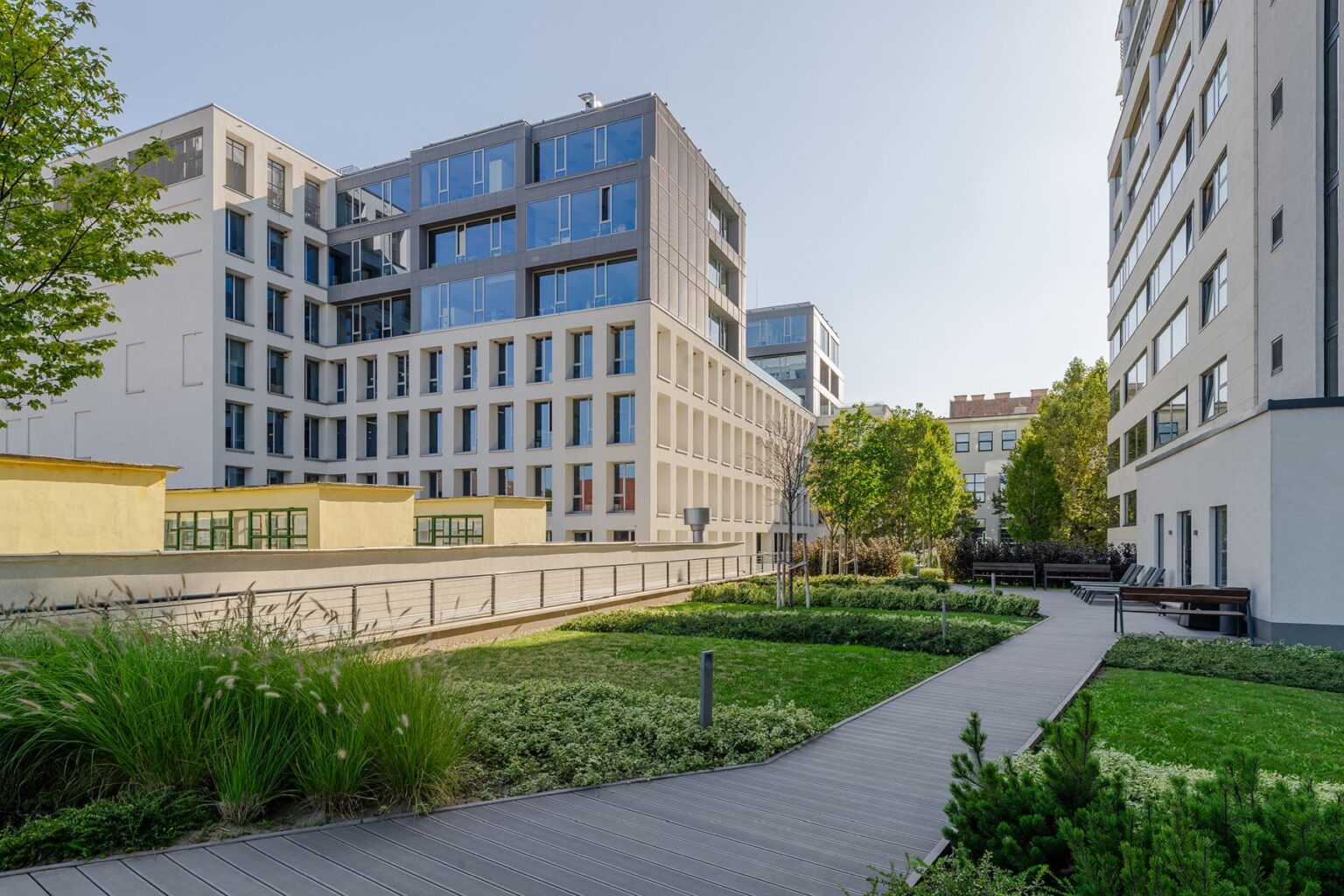
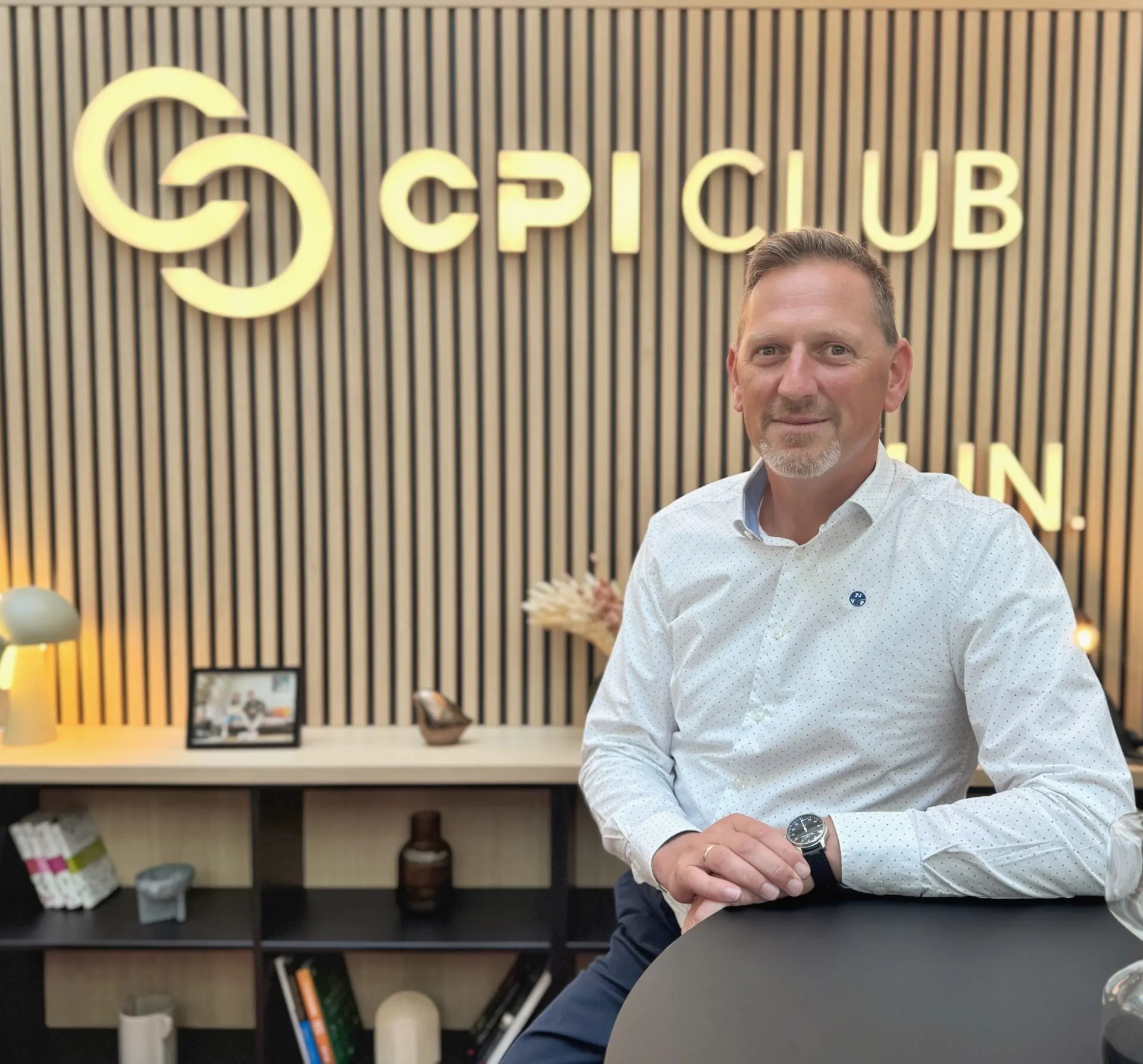
A concrete example is CPI Hungary, which manages and operates a diversified portfolio of 662,500 square meters, including strip malls, office buildings, shopping centers, and hotels. With the launch of CPI Club this year, the company is introducing new types of spaces for tenants.
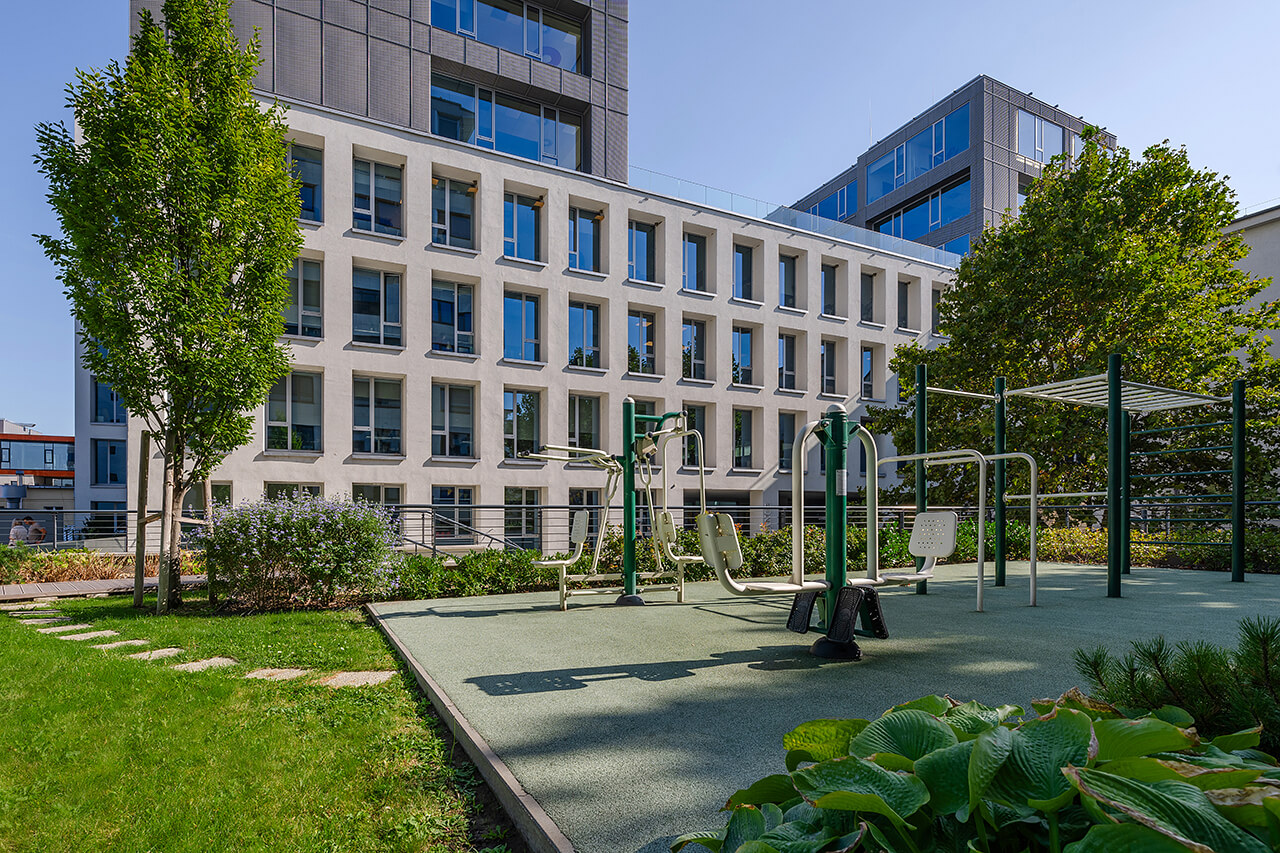
This service-oriented approach is paired with experience-driven solutions. Following the pandemic, the surge in remote work has somewhat receded, and employees are spending increasing amounts of time in offices. Consequently, these new services also act as catalysts for corporate community building. Beyond Club Corners, office complexes host markets, dry-cleaning and massage services, as well as gyms. In the past year, 32 new wellbeing services were introduced, and business and concierge services are now available in five additional buildings, bringing the total to ten office properties.
Another key trend in the commercial real estate market is the rise of green solutions, driven by energy crises, sustainability goals, and ESG compliance.
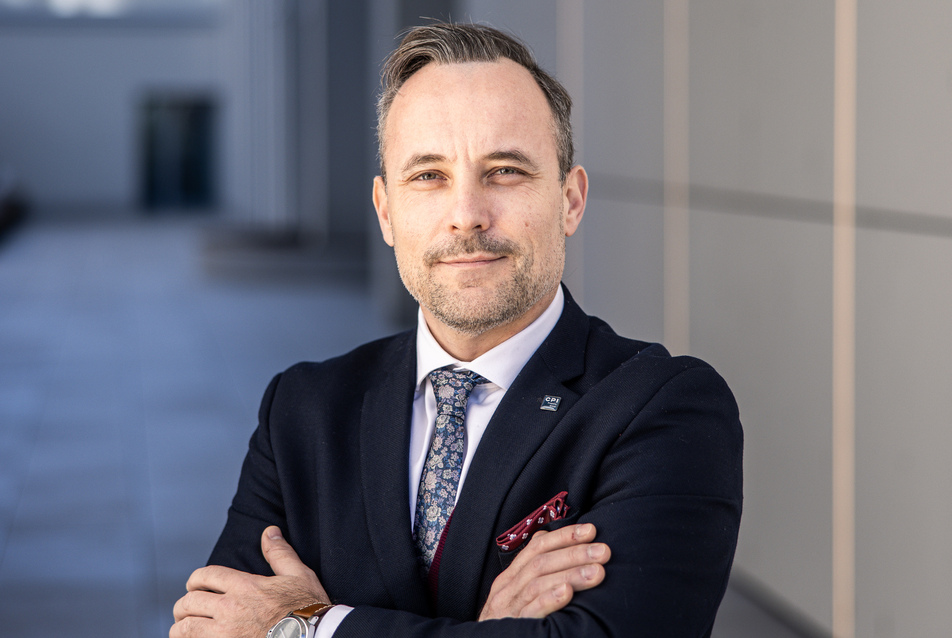
“CPI Hungary’s objectives include continuously developing a diversified property portfolio, strengthening sustainability efforts, and meeting tenant needs with flexible office solutions and wellbeing services,” emphasizes Mátyás Gereben, Country Manager at CPI.
Alongside green leases, renewable energy is becoming an integral part of sustainable property strategies. In 2024, CPI Hungary installed small solar parks on the rooftops of its City Market Soroksár and City Market Dunakeszi locations. The company now generates nearly 2 megawatts of solar energy. Additionally, the BREEAM In-Use certifications of twelve office buildings have been renewed.
“By 2030, we aim to reduce the carbon footprint of our managed properties by 30%. In line with this goal, we are increasing the proportion of energy sourced from sustainable sources,” added Gereben. CPI Hungary is also actively involved in the HuGBC ESG working group of the Hungarian Green Building Council, contributing to the roadmap toward net-zero emissions.

.jpg)